Organizational Toolbox Google Slides Template
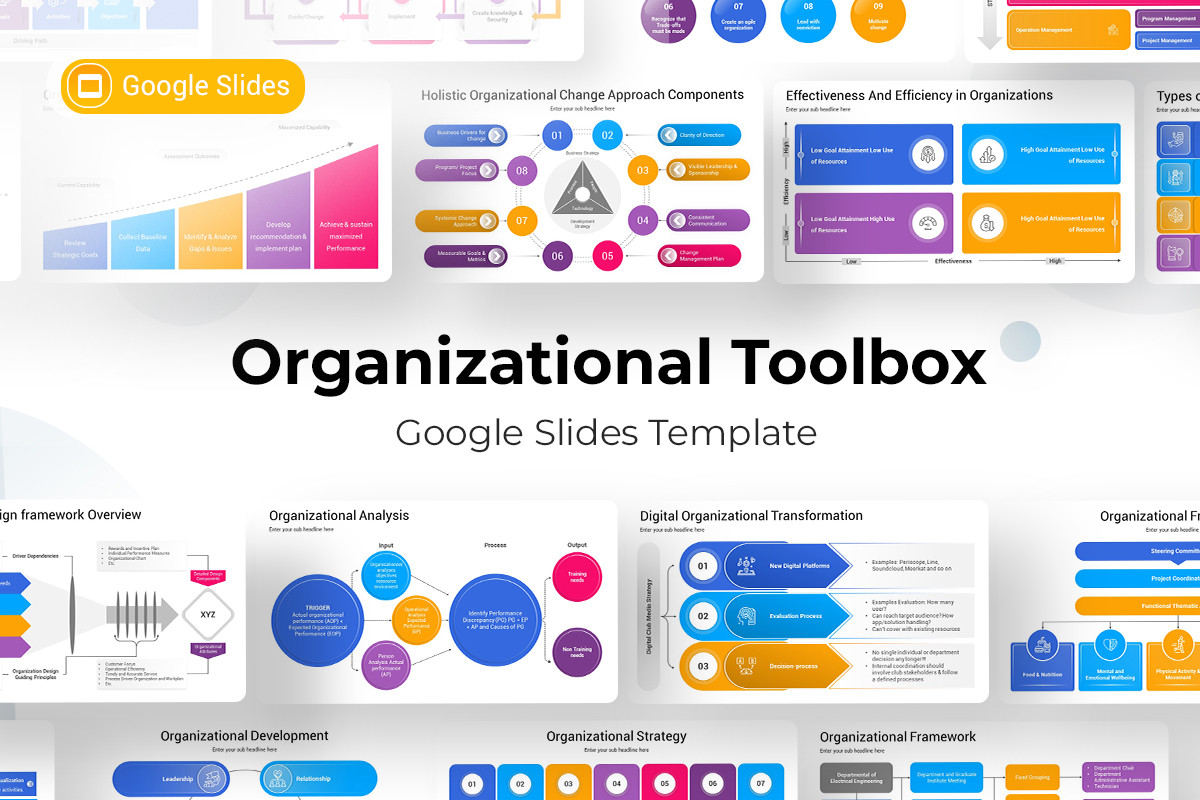


Organizational Toolbox Google Slides Template
A well-structured organization is the foundation of business success. Without clear processes, efficient management frameworks, and a strategic operational model, companies struggle with inefficiencies, miscommunication, and a lack of alignment between teams and objectives. Whether you're a startup looking to establish a solid foundation or a large enterprise aiming to refine existing structures, having the right tools to organize, optimize, and scale is crucial.
In today’s fast-paced business landscape, organizations must focus on strategic planning, effective leadership, streamlined workflows, and continuous process improvement to remain competitive. Without a structured approach, decision-making becomes reactive, growth becomes unsustainable, and employees lose direction. That’s where the Organizational Toolbox Google Slides Template comes in—offering a powerful all-in-one solution for business leaders, HR professionals, and consultants who want to create clear, visually engaging, and actionable presentations for organizational success.
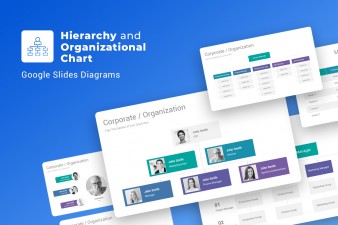
This comprehensive template covers everything from organizational structure, operational efficiency, and corporate governance to workflow optimization, leadership models, and strategic planning frameworks. Whether you’re developing a corporate hierarchy, refining decision-making processes, or improving cross-functional collaboration, this toolbox will help you present complex organizational concepts with clarity and precision.
With professionally designed slides, customizable graphics, and ready-to-use business models, this Google Slides template ensures that your organization remains agile, structured, and primed for growth. It enables leaders to make informed decisions, drive operational excellence, and ensure that every team member is aligned with the company’s long-term vision.
What’s Inside the Template?
Organizational Values: A framework that defines the core values that guide the organization's actions, behaviors, and decision-making processes, ensuring alignment with its mission.
Organizational Transformation: A strategic approach to driving significant change in the organization’s structure, processes, or culture to improve performance and adapt to new challenges.
Organizational Strategy: A long-term plan that outlines how an organization will achieve its goals, positioning itself competitively in the marketplace while ensuring alignment with business objectives.
Organizational Management: The process of planning, organizing, leading, and controlling organizational resources to achieve defined goals and improve overall performance.
Organizational Leadership: Focuses on the role of leadership in guiding and influencing the organization’s direction, fostering a high-performance culture, and managing change effectively.
Organizational Framework: A structural model that outlines how the organization operates, including its policies, processes, and roles, to ensure clarity and effectiveness in execution.
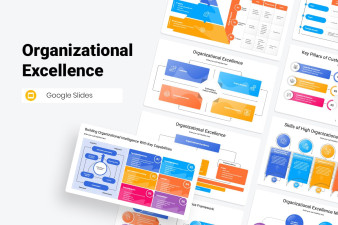
Organizational Effectiveness: A measure of how well an organization meets its goals, operates efficiently, and adapts to changes in the market, ensuring sustained success.
Organizational Development: The practice of improving the organization’s capabilities, processes, and structures to enhance its performance and support long-term success.
Organizational Culture: Defines the values, beliefs, and behaviors shared by members of the organization, creating a cohesive work environment that aligns with business goals.
Organizational Change Management: A structured approach to managing changes within the organization, ensuring smooth transitions, and minimizing disruptions to operations.
Organizational Change: The process of making adjustments or transformations within the organization, whether in terms of strategy, structure, or culture, to improve effectiveness.
Organizational Capacity: The ability of an organization to effectively utilize its resources (human, financial, and technical) to achieve its goals and handle challenges.
Organizational Behavior: The study of how individuals and groups within an organization behave, and how these behaviors influence the organization’s overall performance.
Organizational Capability: Refers to the organization’s ability to execute its strategy and achieve its goals effectively, based on the competencies and resources available.
Organizational Analysis: A process of evaluating the structure, functions, and performance of an organization to identify areas for improvement and alignment with business goals.
Organizational Alignment: Ensuring that all parts of the organization are working towards the same objectives and that the organizational structure supports the overall strategy.
Matrix Organization Structure: A type of organizational structure in which employees report to multiple managers, typically both functional and project-based, to promote flexibility and collaboration.
Organizational Structure: Defines how roles, responsibilities, and authority are distributed within the organization, impacting communication, efficiency, and decision-making processes.
Functional Organization: An organizational structure in which employees are grouped based on specialized roles or functions (e.g., HR, finance, marketing), promoting expertise in specific areas.
Organization Maturity Model: A framework that assesses the level of maturity in an organization’s processes, systems, and structures, guiding improvements for future growth and development.
Organizational Responsibilities: Defines the key roles and responsibilities of employees, leaders, and teams within the organization to ensure clarity and accountability.
Organizational Assessment: A comprehensive evaluation of an organization’s operations, performance, and capabilities, identifying strengths and areas for improvement.
Organizational Design: The process of structuring an organization’s roles, responsibilities, and processes to ensure efficiency, effectiveness, and alignment with strategic objectives.
Key Features:
- 300+ Clean & Creative slides
- 2 Aspect Ratio ( 4:3 & 16:9 )
- 90 Color Themes included
- Just One Click to change the colors and auto recolored
- Free Fonts and Icons
- Fully and Easily editable content
- 3000+ Icons! easily change size & color
Please sign to comment this item.
Report This Item
Please sign in to report this item.

 SlideScan

 jack-des